Maritime Heritage♦Intentional Genetics♦Unconditional Devotion

The Curated Feline

Why My Maine Coons Thrive on a Species-Appropriate Raw Diet

Honoring obligate carnivore biology through molecular science and preservation breeding.

A Fifteen-Year Legacy: Returning to Feline Carnivore Roots

For fifteen years, my backyard has been home to a happy, clucking flock of chickens. During this same time, my kitchen has been the staging ground for a nutritional revolution.

I have not bred Maine Coons for this entire time. Over the years, I have shared my life with several wonderful feline breeds. However, I have fed all of my cats a homemade raw diet for a solid fifteen-year time.

The results speak for themselves. I have never encountered a single infection or health issue in any of my felines. Furthermore, none of my cats have ever suffered from diabetes or urinary tract problems. These chronic ailments are tragically common in cats sustained on commercial dry kibble.

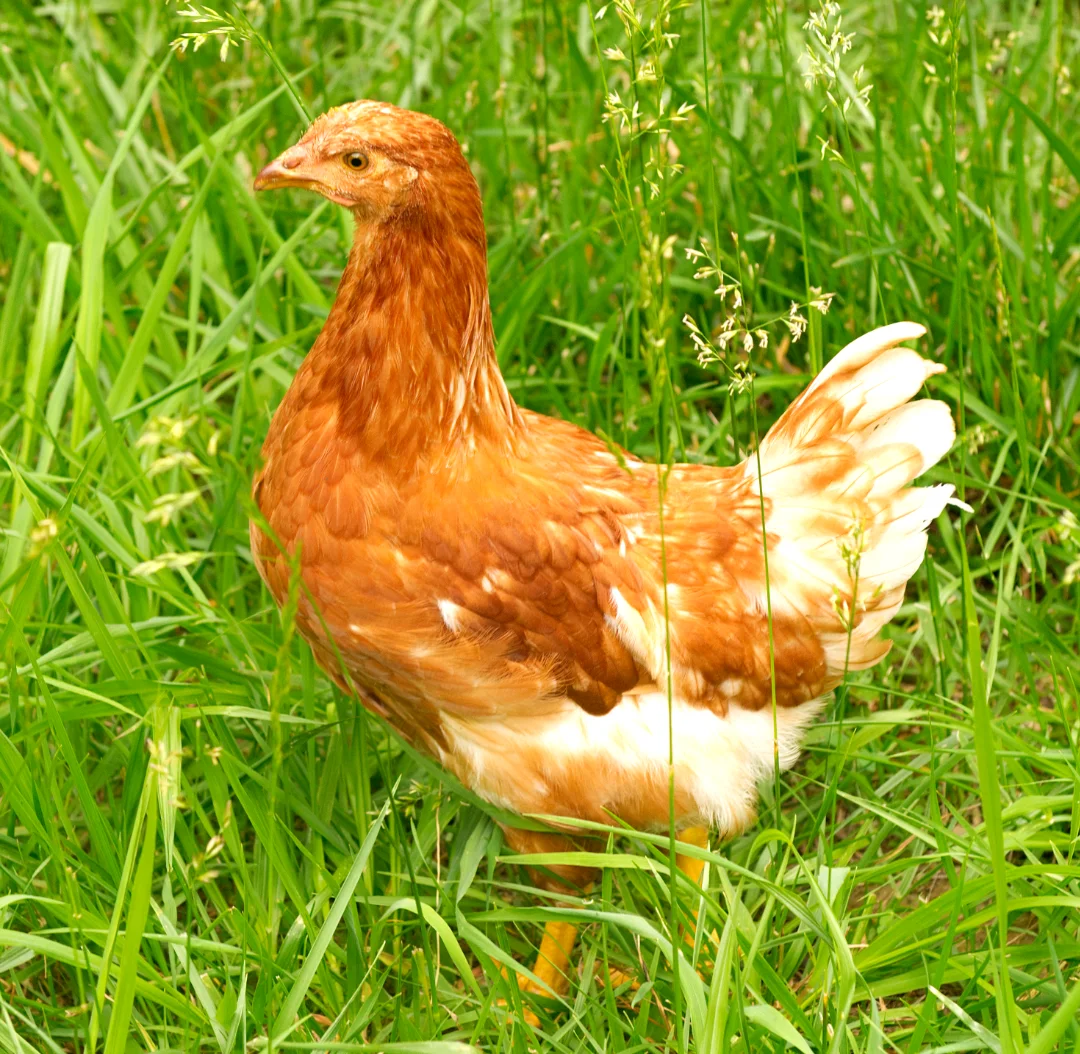
Chicken in the grass in Kentucky

If you are reading this, you are likely part of my extended feline family. Perhaps you already have one of my gently snoring giants occupying your entire sofa. Or maybe you are dreaming of the day a Maine Coon kitten chooses to rule your household.

When you welcome a kitten from me, you are not just getting a pet. You are inheriting a philosophy. I take my role as a preservation breeder with the utmost seriousness.

Maine Coons are slow-maturing marvels. They continue to build their massive bone structures and shaggy coats until they are four or five years old. Building a giant requires serious architecture. A standard bag of commercial kibble simply cannot offer that level of structural precision.

Cats are obligate carnivores. They do not just prefer meat; they require it down to a cellular level. Through decades of hands-on experience, alongside my background in molecular genetics and medicine, I have developed a curated raw diet. It honors their precise evolutionary biology.

Unfortunately, the internet is a wild west of nutritional misinformation. These online myths frequently scare well-meaning owners away from the correct diet. Today, I want to cut through the noise. Let us leverage the hard science of feline physiology. I will share exactly how I feed my clowder so you can confidently help your own companion thrive.

The Golden Ratio: Slicing into the 80/10/10 Prey Model

To feed a cat correctly, you must think like a cat. If a Maine Coon were hunting in the wild, its menu would look like a biological blueprint. It would not include corn, soy, or mystical "gravy."

My baseline recipe strictly adheres to natural proportions. I follow the 80/10/10 prey model with exact weight ratios.

First, we have 80% muscle meat. This includes fresh chicken thighs, gizzards, and hearts. Hearts and gizzards look like organs, but anatomically they are dense muscle. They act as nature's premium fuel.

Next comes 10% pure bone or about 20%-30% of raw meaty bones. I use chicken thigh bones. My commercial-grade Weston grinder pulverizes them into safe, digestible particles. Bone provides the perfect natural balance of calcium and phosphorus.

Finally, we add 10% organ meat. This is split evenly. I use 5% liver (chicken, pork, or beef liver) for critical Vitamin A, and 5% other organs that include kidneys (pork or beef), chicken gizzards, hearts (chicken, pork, beef). This delivers a vital spectrum of B vitamins and taurine.

Molecular Stability: The Cryoprotective Science of Taurine

Taurine keeps a Maine Coon’s massive heart beating strong. It prevents hypertrophic cardiomyopathy (HCM). Yet, many well-meaning owners worry that freezing meat destroys this vital amino acid.

From a biochemical standpoint, the cold is not the enemy. Taurine is an incredibly stable molecule. It contains a highly resilient sulfonic acid group, making it virtually immune to sub-zero temperatures.

In fact, science uses taurine as a high-grade cryoprotectant. In labs, scientists add taurine to cellular mediums to prevent ice-crystal damage during deep-freezing. Peer-reviewed studies show it remains completely undamaged in frozen biological samples for up to twenty years. Your freezer is completely safe.

However, taurine has a physical vulnerability. It is extremely heat-sensitive (heat-labile). Taurine is one of the most fragile nutrients when exposed to thermal processing. It breaks down and degrades rapidly when cooked, even at low temperatures or for short periods. Traditional cooking destroys its structural integrity.

In addition, taurine is water soluble. But, it is not unique to taurine. Virtually all meat proteins and amino acids share this characteristic. When meat thaws, ice crystals rupture the cellular walls. This process releases a nutrient-rich fluid known as thaw juice. Because these vital compounds dissolve seamlessly in water, the liquid carries a massive percentage of your batch's nutritional value. If you throw that juice down the sink, you are throwing away your cat's heart health.

Rule number one in my kitchen: we never cook the meat for cat food, and every single drop of thaw juice goes straight into the food bowl.

Mechanical friction from heavy meat grinders also creates localized heat. Heat does destroy taurine. To protect it at a molecular level, I partially freeze my ingredients before grinding. Keeping the meat ice-cold guarantees that these vital amino acids remain perfectly bioavailable.

The Pathogen Myth: Feline Anatomy vs. Bacteria and Viruses

The most common objection to raw feeding is the fear of pathogens. People worry about Salmonella, E. coli, or viruses. These are legitimate threats to human physiology. However, viewing a cat through a human medical lens is a biological error.

Cats are evolutionary biological weapons. They possess a built-in arsenal designed specifically to neutralize raw meat pathogens. Your cat's stomach is a highly hostile environment. When digesting a raw diet, a cat's gastric pH drops to an astonishingly acidic 1 to 2. That is equivalent to battery acid.

This extreme acidity acts as a biological sterilizer. It obliterates ingested bacteria and structurally destroys the envelopes of lipid-bound viruses. Nothing thrives in that cauldron.

If any pathogens survive the stomach, they face the hurdle of the feline gastrointestinal tract. Carnivores possess an incredibly short, smooth, and anatomically simple GI tract. Food moves through a cat in a mere 2 to 4 hours. Humans take 12 to 24 hours.

Bacteria require warmth, moisture, and time to form dangerous colonies. The feline transit time is simply too fast. Pathogens are expelled in the litter box long before they can replicate or cause illness.

Addressing Avian Influenza (H5N1)

With recent headlines surrounding Highly Pathogenic Avian Influenza (H5N1), safety is top of mind. While a cat's robust digestive system is incredibly efficient, viral loads in sick wild animals can be unpredictable.

To completely bypass this risk, I source all of my poultry exclusively from human-grade commercial grocery stores. These ingredients are bound by stringent federal agricultural inspection standards. The commercial meat pipeline aggressively screens for and isolates infected poultry flocks long before they ever reach grocery shelves.

Feeding your Maine Coon human-grade commercial meat entirely removes the high-risk vector of them hunting wild, potentially infected waterfowl outdoors. Unless your cat sneaks out at night with a tiny shotgun to hunt wild ducks, they are perfectly safe.

Cultivating the Details: The Hidden Gems

A diet of standard grocery store meats lacks a few trace elements that a whole wild animal would provide. I optimize my formula with targeted, species-appropriate supplements to fill these subtle gaps.

  • The Backyard Egg Upgrade: Eggs from my own chickens are a nutritional powerhouse. However, raw egg whites contain a protein called avidin. This protein binds to biotin and renders it unabsorbable. I prefer absolute perfection. I separate the eggs, keeping the yolks raw and pristine, while lightly cooking the whites to destroy the avidin. It is a tiny extra step, but it pays off beautifully in the form of a luxurious, show-stopping coat.
  • Omega-3 Fatty Acids: Poultry fat is inherently high in Omega-6, which can promote inflammation if left unchecked. To balance the scales, I stir high-quality wild-caught fish oil (sardine or anchovy) into their meals right before serving. This protects their joints, kidneys, and brain health.
  • Iodine & Thyroid Support: Wild prey includes a thyroid gland, which provides iodine. Grocery store cuts do not. I integrate a tiny, meticulously measured amount of organic kelp powder to support endocrine health.
  • Manganese & Vitamin E: Manganese is essential for ligament health but is virtually nonexistent in pure meat. I introduce it naturally using green-lipped mussel powder. Finally, a drop of natural Vitamin E (d-alpha-tocopherol) acts as a safe, natural antioxidant to preserve the healthy fats in the freezer.

For My Kitten Buyers: Building Tomorrow's Giants

If you have recently purchased a kitten from me, you are holding the reins to an explosive growth phase. Between three and nine months of age, Maine Coon kittens experience massive skeletal growth spurts. They can look a little "leggy" and awkward as their bones stretch out. During these phases, their molecular demand for calcium spikes.

The ideal target ratio is roughly 1.2 to 1.3 parts calcium to 1 part phosphorus. While the standard batches I prepare handle their daily needs, you can actively support their skeletal development with raw, bone-building treats.

The absolute easiest and most rewarding way to do this at home is to feed whole, raw chicken necks or raw chicken wing tips as separate, supervised snacks 2 to 3 times a week.

Crucial Medical Warning: Never cook these bones. Cooking alters the structural matrix of bone, making it brittle, prone to splintering, and highly dangerous to the GI tract. Raw bones, by contrast, are soft, flexible, fully digestible, and act as nature’s ultimate toothbrush. Crunching through a raw chicken neck shears away dental plaque and massages the gums, keeping their pearly whites pristine as their adult teeth emerge.

The 9-Week Kitten Feeding Blueprint

At nine weeks old, kittens have minuscule stomachs but roaring metabolic rates. They require a rigorous four-meal-a-day schedule to keep their blood sugar perfectly stable.

Because males eventually mature into twenty-pound gentle giants, a nine-week-old male kitten will easily pack away 6 to 8 ounces of food a day, while his slightly smaller sister will contentedly consume 4 to 6 ounces.

  • 7:00 AM β€” Breakfast: Morning portion (2-3 oz) of our standard curated raw grind. Stir in their daily dose of wild-caught fish oil right before serving.
  • 12:00 PM β€” Lunch: Homemade cat food 2-3 oz portion.
  • 5:00 PM β€” Dinner: Homemade cat food 2-3 oz portion.
  • 10:00 PM β€” Night meal:Homemade cat food 2-3 oz portion.

My golden rule for kittens? Never restrict them. If they vacuum up their bowl in two minutes flat and look up at you with wide eyes, immediately scoop out another half-ounce. Growth spurts can cause their appetite to double overnight, and we must fuel that magnificent frame.

A Curated Commitment

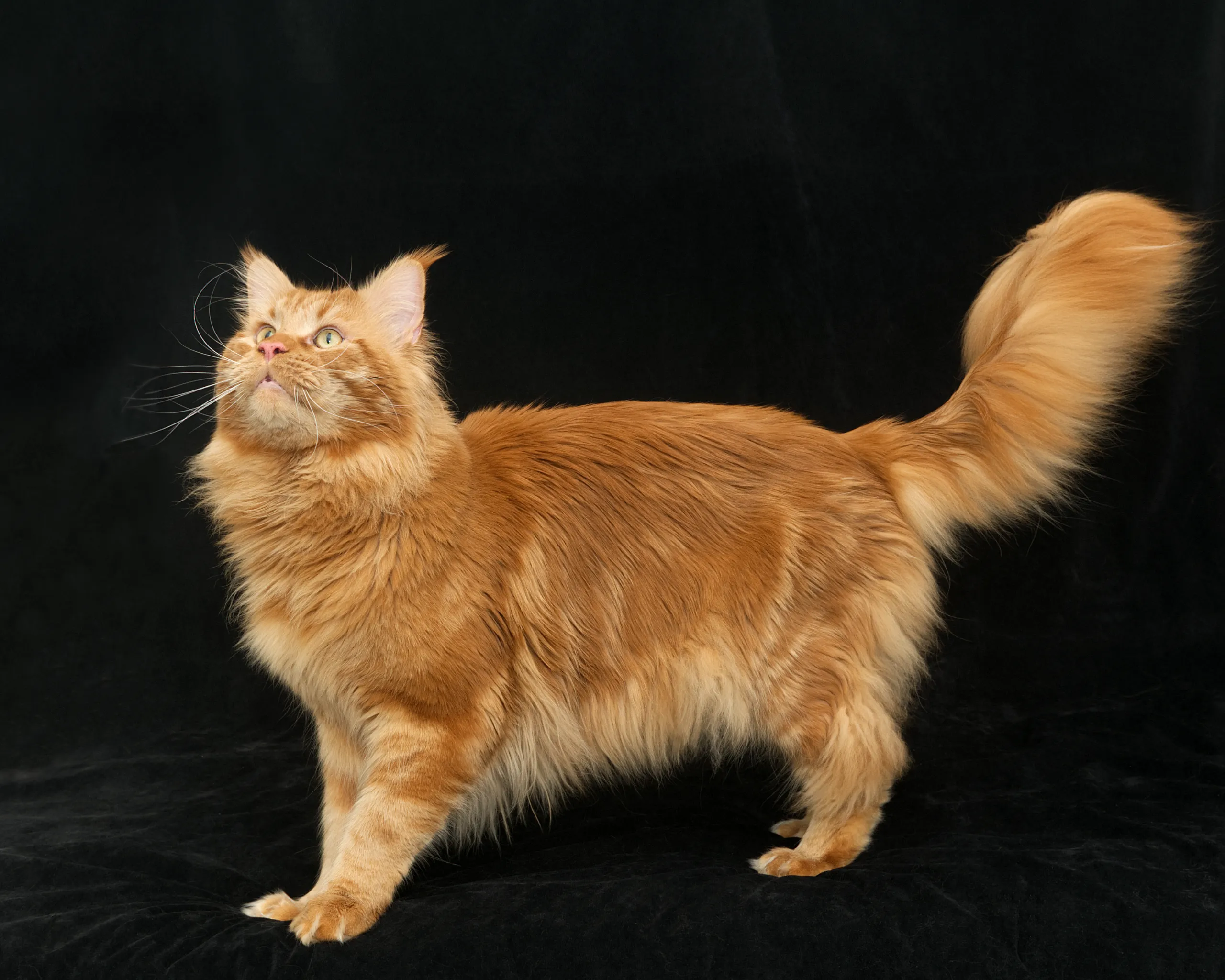
Feeding this way requires a bit of soul, a good grinder, and a dedication to biochemical detail. But when you look at a Maine Coon with a coat like silk, clear eyes, incredible muscle tone, and a serene, healthy disposition, you realize that compromising was never an option.

Whether you are currently preparing food for one of my retired champions, waiting for your first kitten, or simply stopping by for a piece of advice, know that I am always here to help you refine your craft. After all, these magnificent creatures deserve nothing less than the absolute best we can give them.

From my home to yours, I wish you and your magnificent companions long, vibrant lives filled with booming purrs, playful headbutts, and peak feline health. May your couches always be occupied by happy, healthy giants!

Kimberly