Can a Small Amount of Vegetables Be Included?
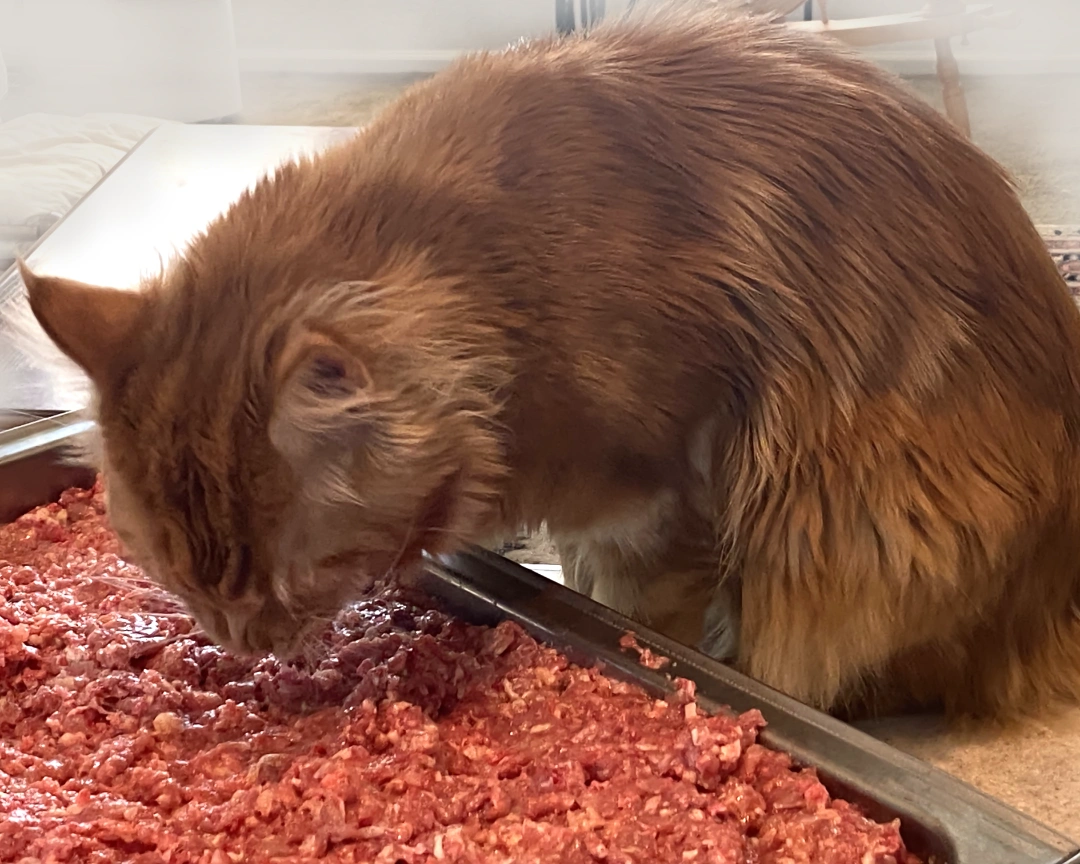
While a strict meat-based diet is biologically ideal for cats, some owners add minimal vegetables for fiber. Let’s clarify why this approach is often misguided.
The Fiber Misconception
Some believe vegetables aid digestion in cats like they do for omnivores (e.g., humans or dogs) or ruminants. This is incorrect for two key reasons:
1. Cats Lack Fiber-Adapted Digestion
- Their short digestive tract efficiently processes animal tissue (muscle, organs, bones) but lacks the fermentation chambers herbivores use to break down plant fiber.
- Plant matter passes through largely undigested, offering no nutritional benefit.
2. Fur/Feathers ≠ Plant Fiber
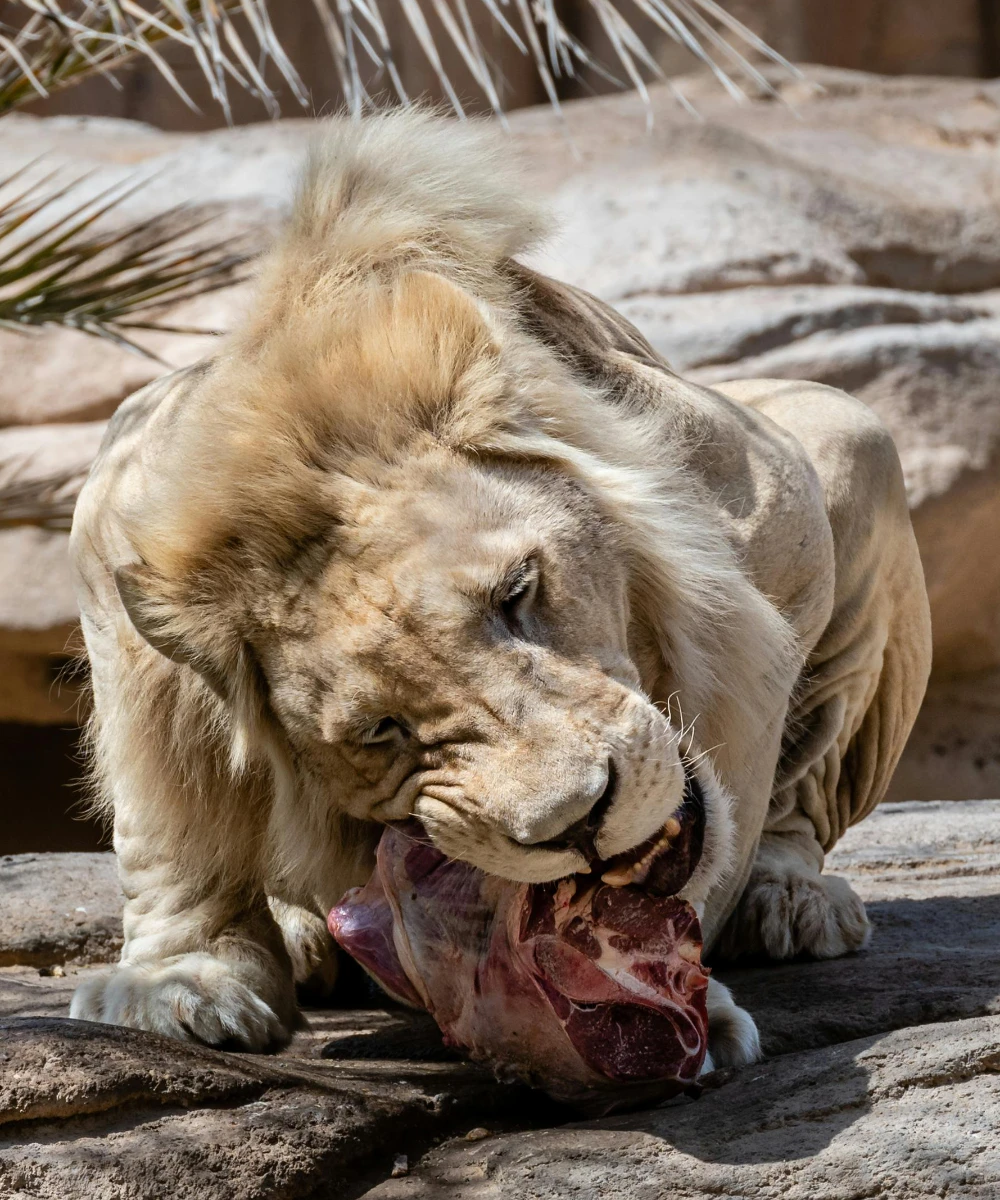
- Wild cats consume prey entirely, including skin, fur, or feathers. These materials:
- Stimulate gut motility (helping move food through the intestines).
- Bind hairballs, aiding their natural expulsion.
- Unlike plant fiber, fur/feathers are indigestible keratin — they provide mechanical bulk without the digestive disruptions caused by vegetables. Think of them as natural fiber that supports healthy digestion without introducing unnecessary plant matter.
Practical Takeaways
If using vegetables: Limit to less than 5% of the diet (steamed for digestibility), but recognize this is for owner preference, not feline health.
Keep in mind: Your house plants that may be incidentally consumed by our feline should count toward the 5% vegetable limit.
Plant fiber isn’t necessary: Cats derive no nutritional value from plant fiber, and their system is optimized for processing animal-based bulk (fur/feathers).
Plant fiber is harmful to cats: It causes health issues, such as urinary tract problems, digestive upset, and other gastrointestinal disturbances.
Why the Feline Obligate Carnivore Diet Rejects Grains
Current feline nutrition research confirms grains have no place in cat food formulations. Your cat will benefit greatly if you avoid feeding them grains altogether. This aligns with the biological reality of cats as obligate carnivores.
Final Thoughts: Feeding Cats as Nature Intended
Cats thrive on a high-protein, no-carb, meat-based diet. While well-meaning pet owners may try to add vegetables or grains, these ingredients offer no nutritional benefit and will most likely cause harm. The feline obligate carnivore diet isn’t a preference – it’s a biological necessity.
Recommendations
- Avoid unnecessary carbs (grains, fruits, starchy veggies)
- If using vegetables, keep them minimal and cooked
By understanding the obligate carnivore diet for cats, you can ensure your feline friend stays healthy, energetic, and true to their biological needs.
Wishing your feline friend a long and healthy life!
– Kimberly